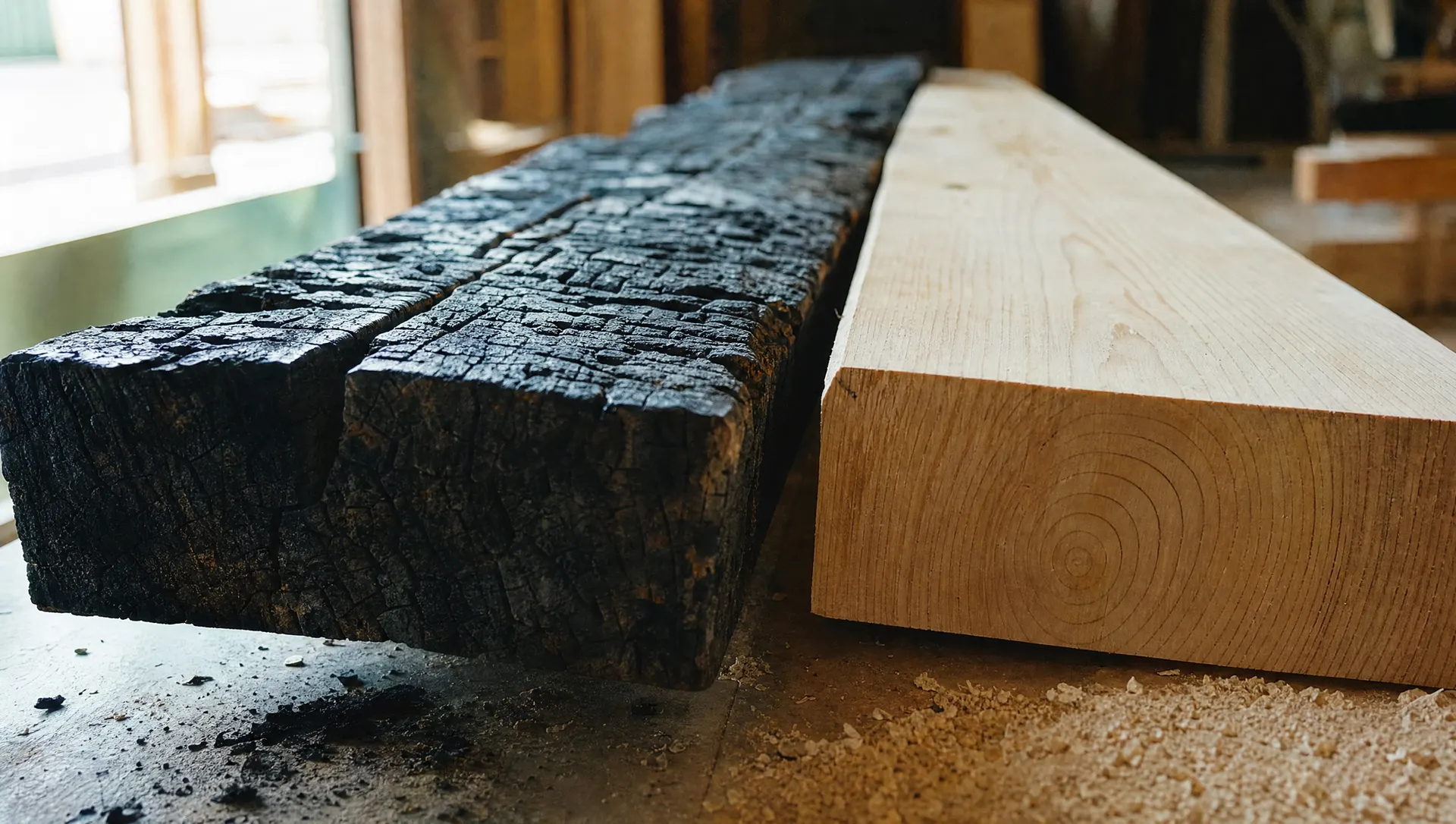
Fire Damage Restoration in St. Peters, Missouri
Fire damage restoration covers everything between "the fire is out" and "the house is livable again" — assessing what survived, cleaning what can be cleaned, removing what can't, drying out whatever water the fire department used, and coordinating repairs so the property is whole again. It's rarely a single task. A fire that starts in one room usually leaves work to do in several.
If there's still active fire, smoke, or a part of the structure that isn't safe to be in, call 911 first. This page covers what happens after the fire department has cleared the property and handed it back to you.
What's Included in Fire Damage Restoration
The scope depends on the fire, but a full restoration project typically touches:
- Assessment. A room-by-room walkthrough to document what's damaged, what's salvageable, and what smoke reached even outside the burn area.
- Securing the structure. Boarding up broken windows and doors, tarping roof openings — covered in detail on our Board-Up & Roof Tarping page.
- Soot and residue removal. Getting acidic soot off surfaces before it does more damage. Full detail on our Soot Cleanup page.
- Smoke odor treatment. Cleaning and treating the air, HVAC system, and porous materials that absorbed odor — see Smoke & Odor Removal.
- Water removal and drying. Hose water and sprinkler runoff need to come out and the structure needs to dry, or you're left with a second problem on top of the first — see Water Damage from Firefighting.
- Structural repair. Rebuilding or repairing framing, drywall, flooring, and finishes once the property is clean and dry.
Where the Work Starts
Every job starts with a walkthrough, not a truck full of equipment showing up unannounced. We look at the property with you — or without you, if you're not up for being there yet — and note the condition of each room, including ones that look fine from the doorway but have smoke odor or soot settled into surfaces you might not notice right away. That walkthrough becomes the basis for both the work plan and the documentation your insurance claim will need.
Anything that needs immediate attention gets flagged first. That's usually securing the structure against weather and entry, and addressing any standing water before it sits long enough to cause its own damage.
How the Work Typically Proceeds
- Secure. Board up openings and tarp the roof if needed, so the property stops taking on new damage while everything else gets sorted out.
- Document. Photograph and log the condition of every affected area before anything is moved, cleaned, or removed.
- Remove water. Extract standing water from firefighting efforts and get air movers running — waiting on this step lets a second damage type take hold.
- Remove what can't be saved. Charred materials, heavily soot-saturated porous items, and anything structurally compromised come out.
- Clean what can be saved. Soot removal from surfaces, HVAC cleaning, and odor treatment for everything that stays.
- Dry and verify. Structural drying continues until moisture levels are back where they should be, not just until things look dry.
- Repair and rebuild. Framing, drywall, flooring, and finish work to bring the space back to a livable condition.
Not every job needs all seven steps — a contained kitchen fire with light smoke spread might skip straight from documentation to cleaning. A fire that reached the attic and multiple rooms usually needs the whole sequence.
What Affects the Timeline
Three things drive how long a restoration project takes: how much of the structure was affected, how far smoke traveled beyond the burn area, and how much rebuild work is involved once cleanup is done. A single-room fire with contained smoke can sometimes wrap up in about a week. A fire that reached the attic, spread smoke through shared ductwork, and left rooms needing new drywall and flooring can take a few months from first walkthrough to final repair, especially once permitting and material lead times are factored in.
What Fire Damage Restoration Typically Costs
Costs vary more here than with almost any other kind of property damage, because the range of what "a fire" can mean is so wide. A small, contained fire with light smoke spread might run in the low thousands for cleanup alone. A fire that damaged structural elements, spread smoke through the HVAC system, and requires meaningful rebuild work can run well into five figures once repairs are included. The honest answer is that a real number only comes after someone has actually looked at the property — the scope of smoke travel alone can swing an estimate significantly in either direction.
Insurance and This Process
Fire damage is generally covered under standard homeowners policies, but a fire claim is rarely simple — it can touch the structure, contents, temporary housing, and sometimes code-driven upgrades during rebuild, all under one claim. We document the loss thoroughly as the work proceeds: photos before, during, and after each stage, notes on what was removed and why, and a clear scope of the repair work. That record is built to support your conversation with your adjuster, not to replace it. More insurance questions are answered on our FAQ page.
Ready to Start
If your property has been released back to you and you're ready to get the restoration process moving, tell us what happened and what you're seeing. We'll walk through next steps from there.
Need Help in St. Peters Right Now?
Tell us what you need and we'll get back to you fast with a free, no-pressure quote.